
Géraldine Chatelard
Chargée de mission Moyen-Orient et cheffe de projet Bibliothèques d'Orient, direction des Relations européennes et internationales
Téléphone : 33(0) 1 53 79 48 01

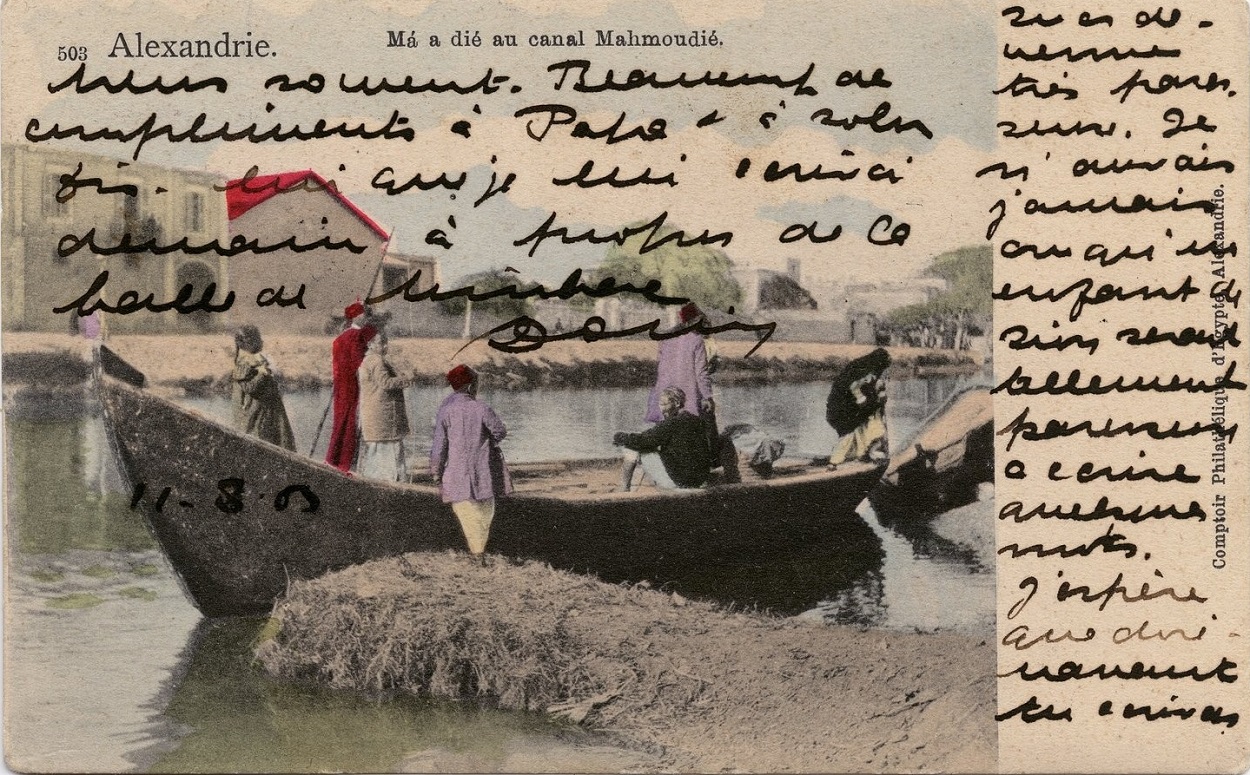
Launched in 2017, Bibliothèques d’Orient (Libraries of the Middle East) aims to bring together digital collections and documentary resources relating to the Arab East (Mashreq) and the Turkish and Persian worlds in all their social, cultural, linguistic and religious diversity, whereas exchanges with France are but one of the topics considered. Ancient Near Eastern and Middle Eastern cultures and civilisations are also covered through the works of archaeology, history, and philology devoted to them, as well as the documents collected in the course of such research. The content of the digital library reflects the collections and materials that the BnF’s partner institutions within the Bibliothèques d’Orient Programme wish to disseminate or promote, along with sets from the BnF’s own holdings and from additional contributing institutions that echo or complement them.
To date, more than 10,000 documents (manuscripts, printed volumes and periodicals, prints and photographs, maps and plans, postcards, objects, etc.) have been gathered, illuminated and put in context by around a hundred introductory texts written by academics, scholars, and curators. The library continues to expand with new additions. Navigation languages are French, English, and Arabic. Editorial languages are French, Arabic, English, Turkish, and, potentially, other modern languages of the concerned regions related to the various themes.

Building on the features of Gallica, the BnF’s digital library and that of its partners, Libraries of the Middle East features a navigation bar providing two ways of accessing the documents.
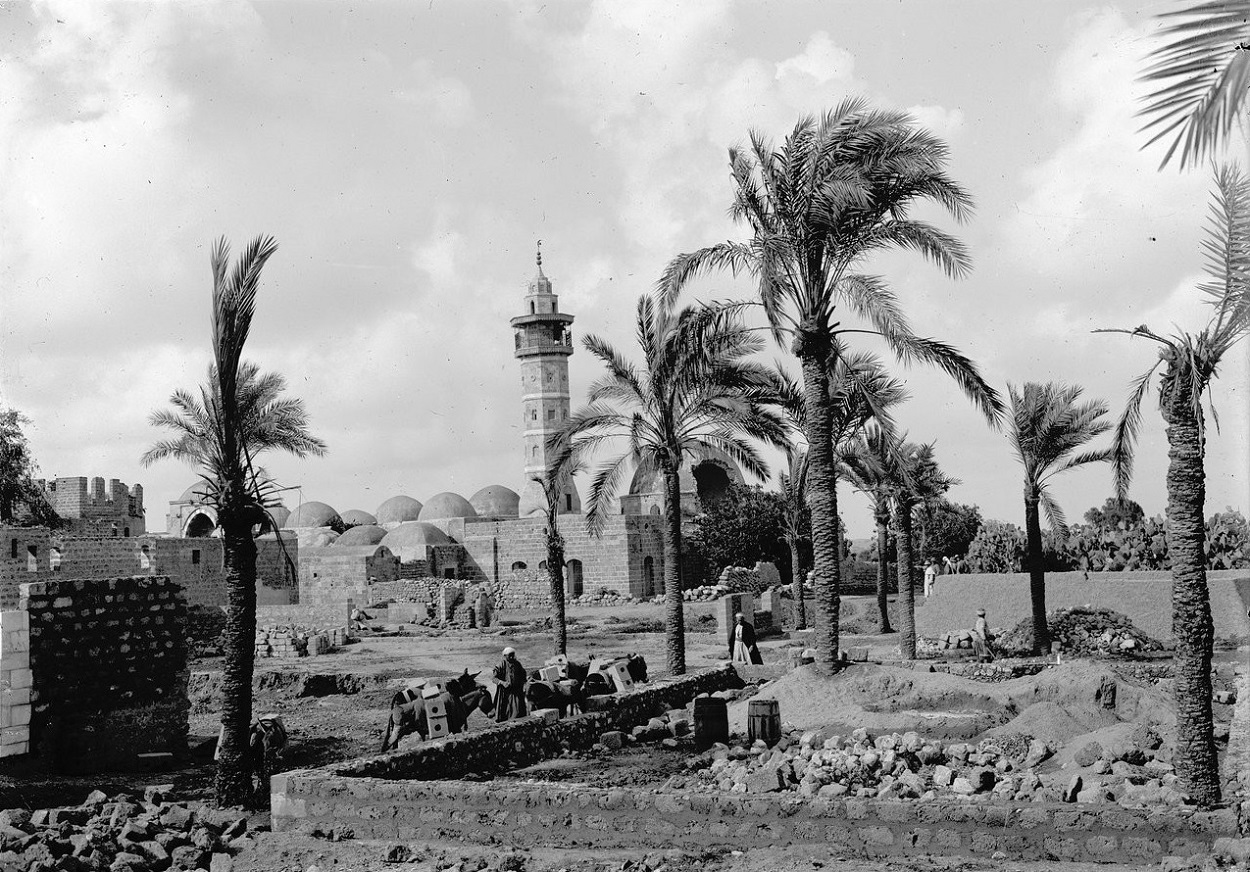
The first is through the Partners and Contributors section, which introduces holding institutions and their collections available on the digital library, and which gives access—particularly for scholars—to complete sets or corpora.
Alongside the BnF, eight other libraries are among the project’s founding partners:
New partners and contributors having joined the project are:
Partners and contributors having joined the project at a later stage are:
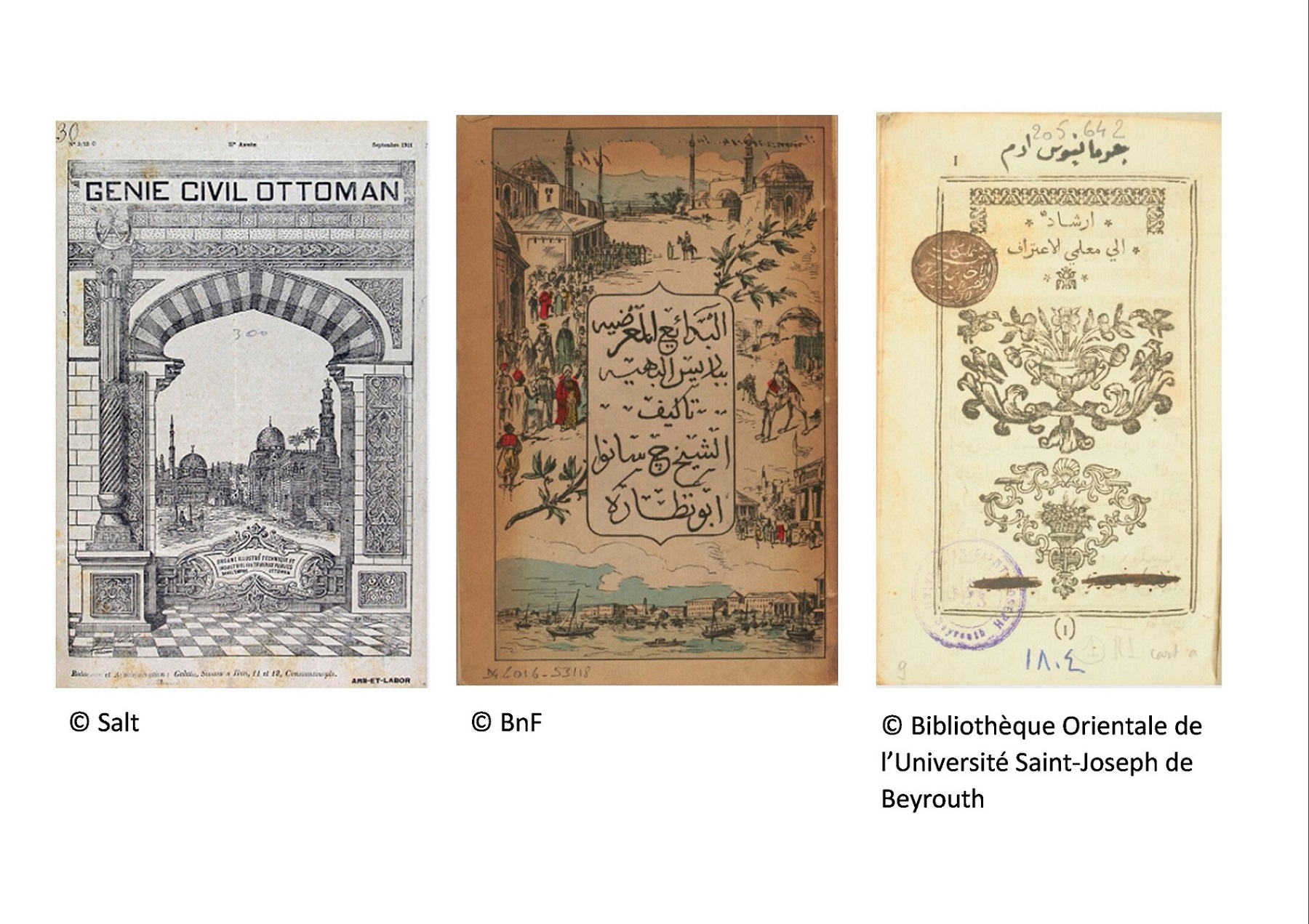
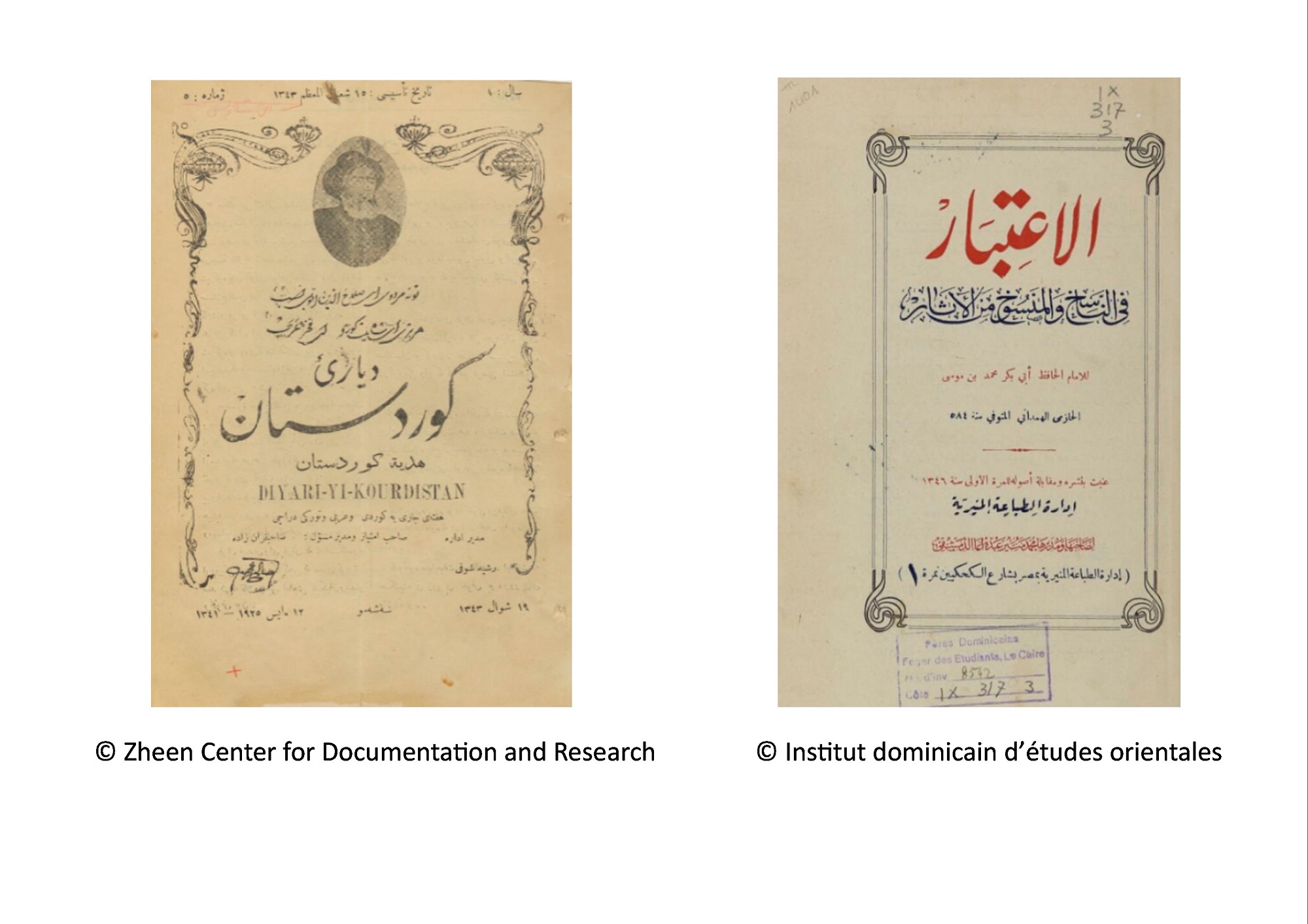
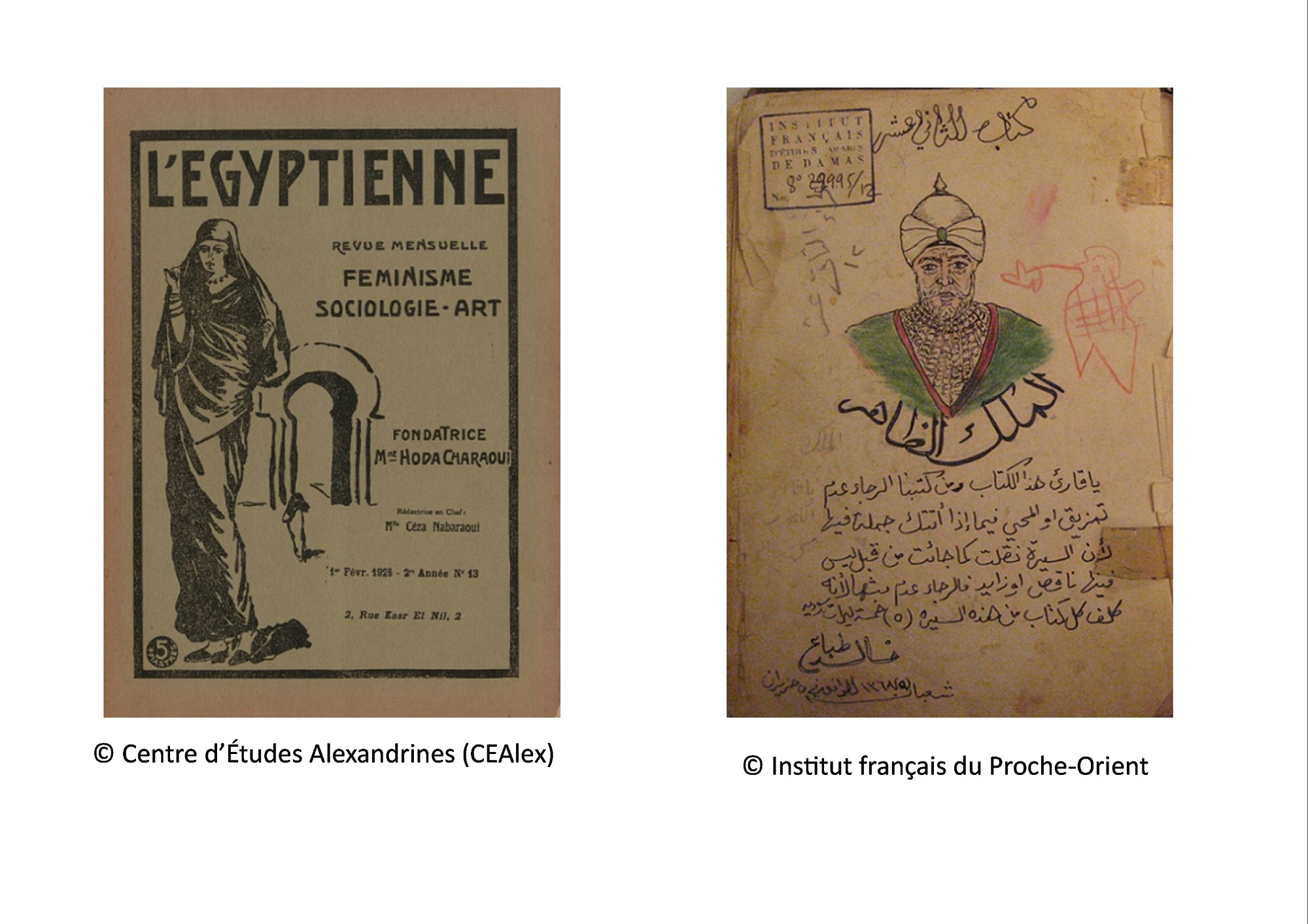
Bibliothèques d’Orient (Libraries of the Middle East) has been made possible thanks to the support of:
The Mellon Foundation, through its Public Knowledge programme, which has made it possible to continue collaborations initiated with longstanding partners; to catalogue, preserve, restore and digitise collections from other institutions in Egypt, Jerusalem and Turkey; to enhance knowledge of these holdings through research grants; and also to support the Dominican Institute for Oriental Studies in the development of the Diamond-ILS application, a scholarly cataloguing tool for texts in Oriental languages.
The International Alliance for the Protection of Heritage (ALIPH) for a specific project aimed at safeguarding and promoting Iraq’s written heritage by supporting three institutions through the provision of expertise, training and equipment for the conservation and cataloguing of their collections, the restoration of fragile documents, and the digitisation of their most valuable holdings.
Discover Gallica blog posts (in French) about Bibliothèques d’Orient:
Chargée de mission Moyen-Orient et cheffe de projet Bibliothèques d'Orient, direction des Relations européennes et internationales
Téléphone : 33(0) 1 53 79 48 01
